Porters of the Inca Trail
The Inca Trail hike is operated under strict regulations imposed by the Ministry of Culture in Peru. Said regulations have been implemented over the years to safe keep the integrity of the trail, and its surrounding archaeological sites, as a World Cultural Heritage site. Some of the most evident regulations include the issuing of entry permits, per day, allowing only a maximum number of hikers on the trail, and the restriction of pack animals at any point on the trail.
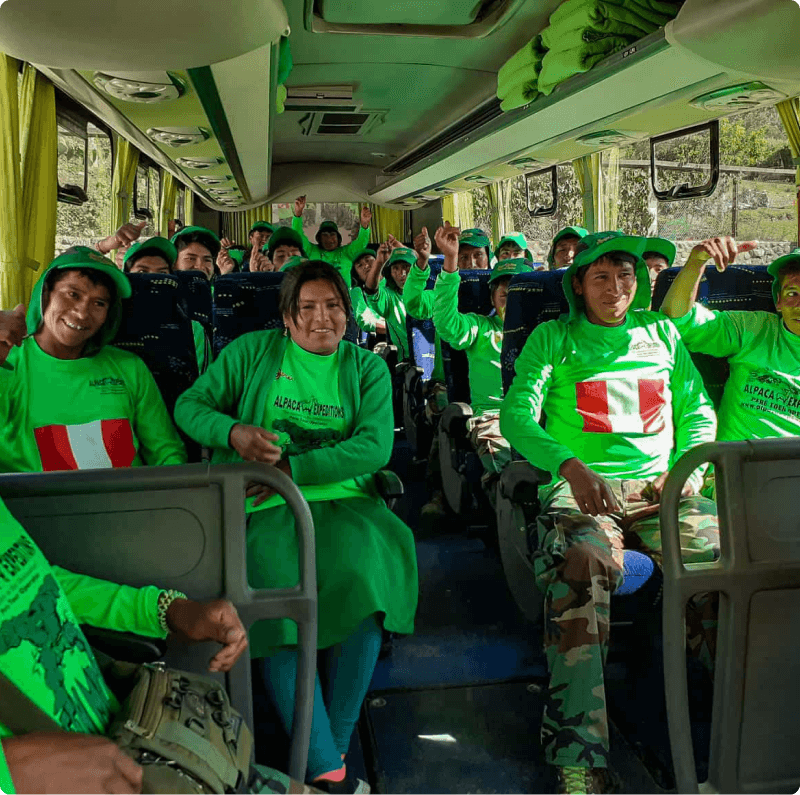
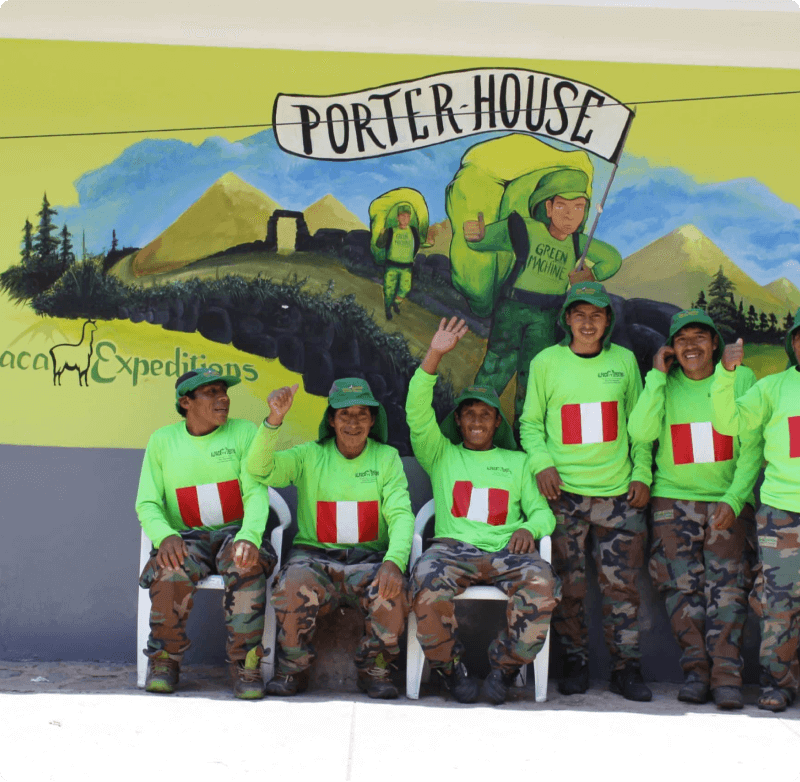
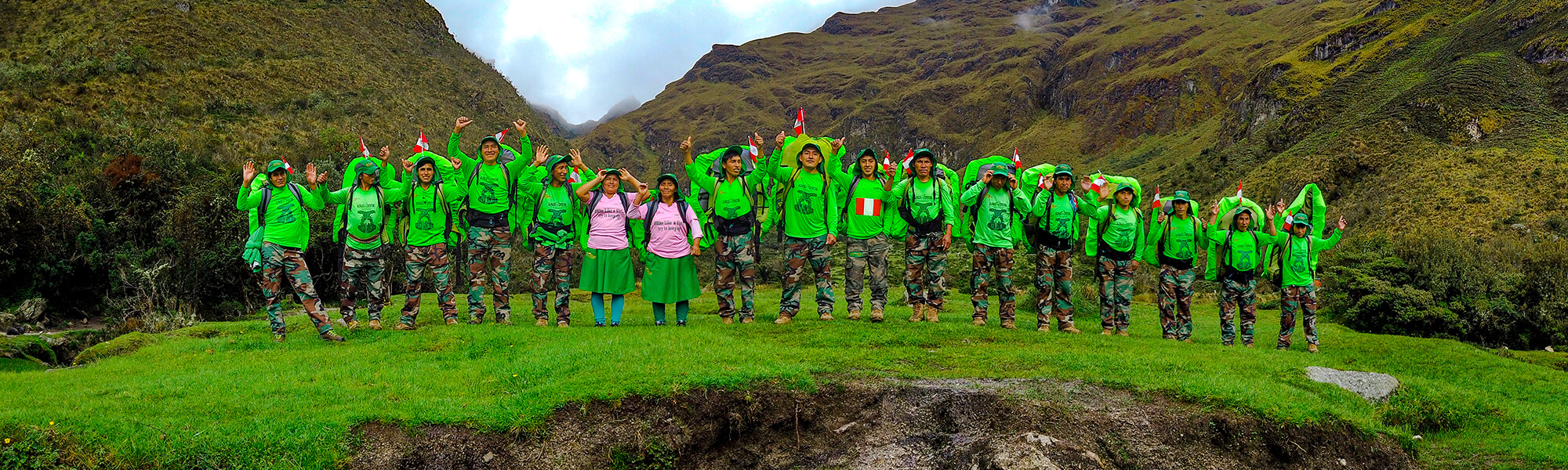
Since pack animals are strictly prohibited on the Inca Trail, the heavy lifting is all done by the porter crews. Better known as porters, these are men and women who enter the trail on a daily basis to carry all the camping equipment and hikers´ luggage of all the authorized Inca Trail groups on any given day. Porters are responsible for setting up campsites at the designated spaces, cooking for their hiking groups, cleaning the portable toilets included by some tour operators in their services, and maintaining the cleanliness of the trail. In other words, the porters are the sheer muscle and powerhouse behind every hiking group along the Inca Trail.
HISTORY OF INCA TRAIL PORTERS & WELFARE
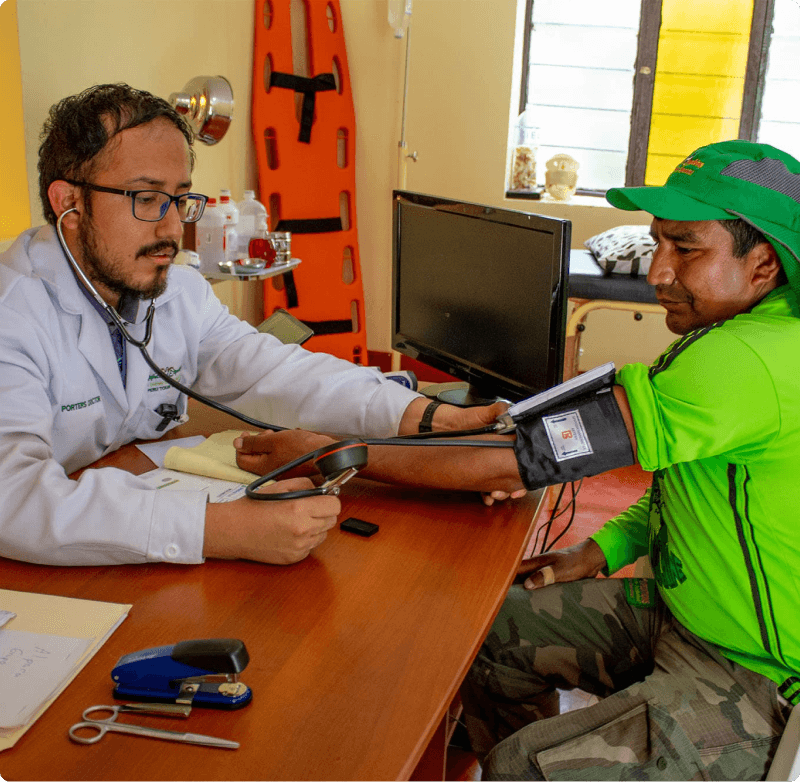
Unfortunately, porter welfare only became a concern a few years ago. Prior to this shift in thinking, porter crews of the Inca Trail worked under dire circumstances. Most porters worked on the trail without proper uniforms and safety gear, little food, and no camping equipment. Porters worked on the trail with their everyday attire and traditional footwear and often ate the tourist leftovers to try and compensate for their arduous physical demands. They almost always slept on the bare ground without blankets or cover despite the colder night temperatures and ate without utensils of any sort. To this grim paradigm, we also have to add the highly male-oriented and sexist views which did not allow women to work on the trail at all.
Porters are employed by authorized tour operators and come from the nearby Andean communities and towns. For many, their main source of income comes from their farming and textile weaving, depending on their community or village of origin. Thus, working as a porter of the Inca Trail offers an extra income, especially during tourist season, which can be used for their daily living and the education of their children.